How to Run Hardware Diagnostics & Test Your Computer’s Performance
Computer performance is vital for both work and personal use. Regular hardware checks can prevent system failures and keep your computer running smoothly. Testing your computer’s performance helps spot issues early on.
Modern computing needs a healthy system. Understanding hardware diagnostics is becoming more crucial. Computers depend on many parts working together well. Processor speed, RAM, and storage all affect overall performance.
This discussion overlaps with bicmos bipolar amp cmos, especially for readers comparing run hardware diagnostics with similar issues.
A processor speed above 1.5GHz is best for efficient system operations. Diagnostic tools are key to maintaining computer health. Windows 10 offers built-in utilities for troubleshooting.
About 70% of users use these tools to solve problems. These tools help assess computer performance and find potential hardware issues. Regular checks can cut severe system problems by half.
Understanding and using thorough hardware testing is essential. It can extend your computer’s life and ensure reliable performance. Make hardware diagnostics a regular part of your computer care routine1.
Understanding Common PC Hardware Issues
PC hardware issues can greatly affect system performance and reliability. Knowing these problems helps prevent failures and keeps computers running smoothly2. Regular checks can save you from costly repairs.
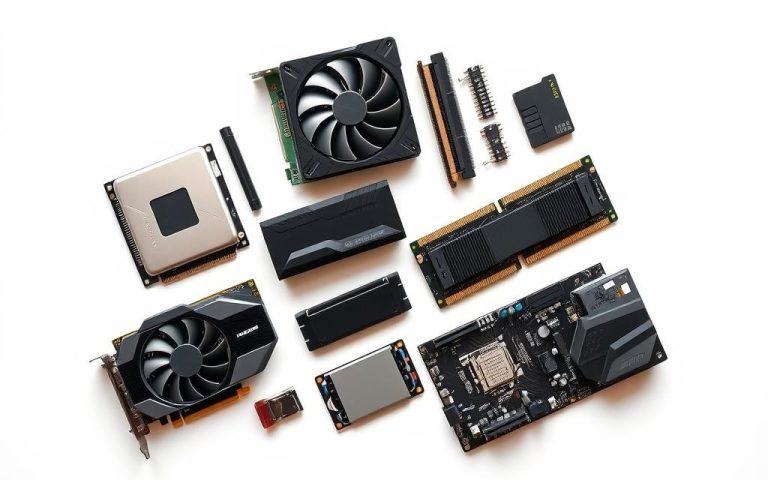
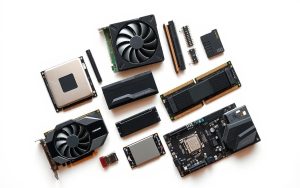
Computers have many parts that can fail at any time. The most vulnerable components include GPUs, hard drives, SSDs, RAM, PSUs, cooling fans, and CPUs.
Most Frequent Hardware Failures
Hardware failures show various symptoms. Approximately 20% of PCs experience power-related issues, often due to cable or power supply problems3.
Related Posts:
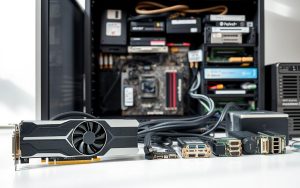

Key signs include sudden shutdowns, odd noises, and slower performance4. These can indicate serious hardware issues that need attention.
Signs of Hardware Malfunction
Spotting early warning signs is vital for component health. Look out for these symptoms:
- Unusual grinding or clicking sounds2
- Frequent system freezes3
- Blue Screen of Death (BSOD) occurrences3
- Unexpected performance slowdowns
Critical Components to Monitor
Regular checks on key hardware parts can prevent major failures. Proactive maintenance helps identify potential issues before they worsen.
Focus on tracking the health of your RAM, hard drives, cooling systems, and power supply4. These components are crucial for your PC’s performance.
Preventative care is always more cost-effective than emergency repairs.
Built-in Windows Diagnostic Tools
Windows offers powerful built-in tools to identify and fix hardware issues quickly. These Windows diagnostic tools help maintain top computer performance. They also prevent potential system failures5.
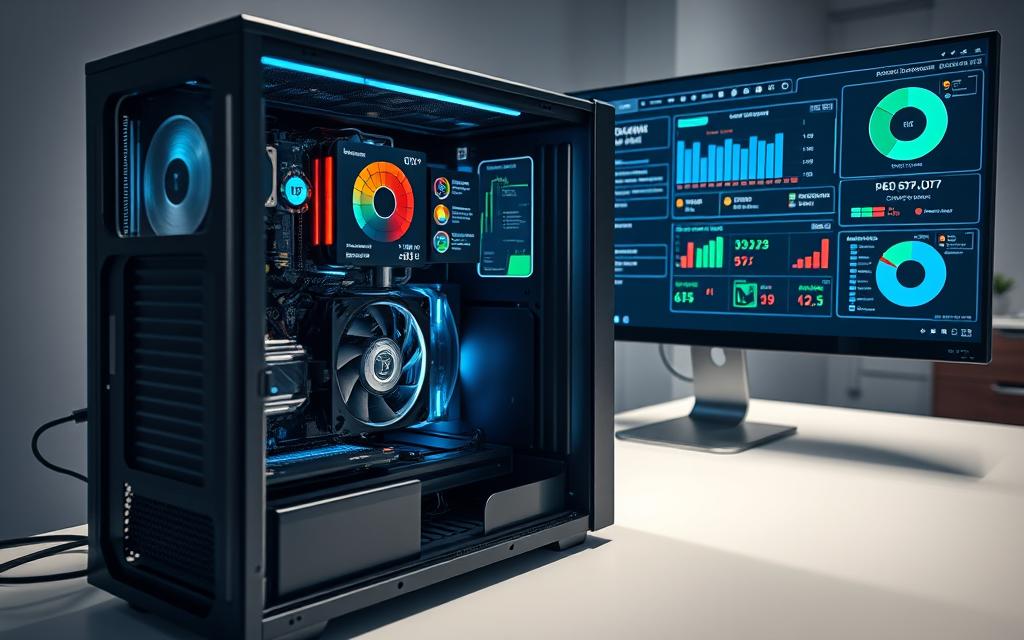
The Performance Monitor gives detailed insights into system resources and performance. It tracks various hardware components5.
- CPU utilisation
- Memory usage
- Disk activity
- Network performance
Windows Memory Diagnostic is crucial for spotting RAM-related issues6. It can automatically detect and test memory problems. Diagnostic tests usually take 20 to 30 minutes6.
Users can run the test to check for memory errors. These errors might affect system stability5.
Windows 11 offers advanced diagnostic features for many system parts5. The tools can spot issues with:
- Storage drives
- Graphics cards
- Network adapters
- CPU performance
Pro tip: Run these tools often to avoid unexpected system failures. Regular checks help keep your computer healthy5.
Proactive monitoring lets you tackle potential hardware issues early. This prevents small problems from becoming big ones.
How to Test My Computer Hardware?
Computer hardware testing keeps your system running smoothly. It helps spot potential issues early on. Regular checks can prevent unexpected failures and extend your computer’s life7.
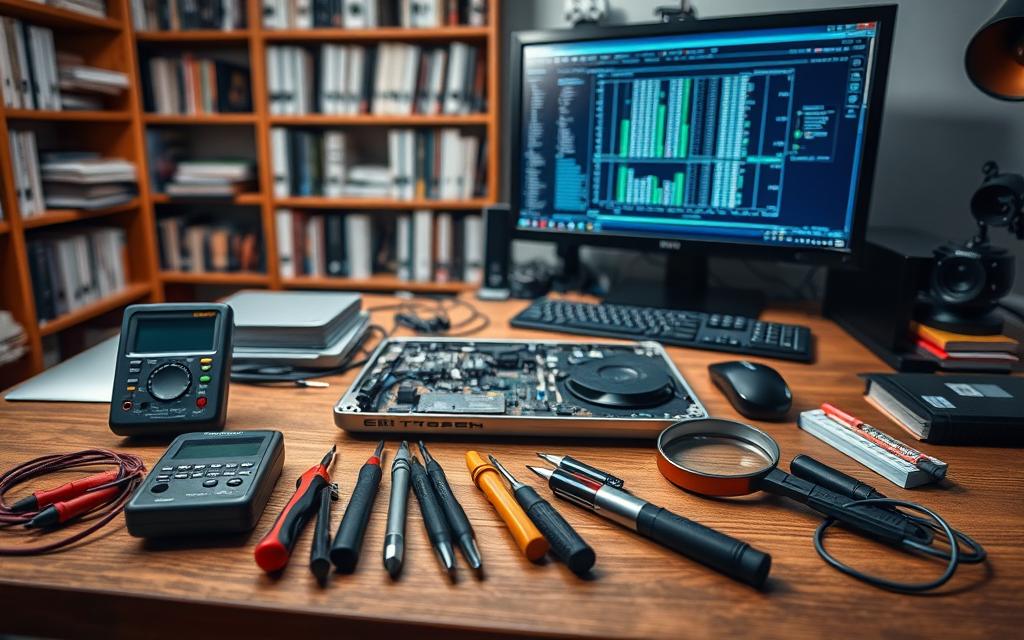
A thorough approach covers multiple components. Common hardware failures include GPUs, hard drives, SSDs, RAM, power supply units, fans, and CPUs7.
Essential Testing Tools
Several powerful tools can help you test your computer hardware:
- Windows Memory Diagnostic (built-in tool)8
- MemTest86+ for RAM testing7
- CrystalDiskInfo for storage health7
- HWiNFO for detailed system reports7
Step-by-Step Testing Process
- Open Windows diagnostic tools8
- Select appropriate testing software
- Run comprehensive system scans
- Review diagnostic reports
Interpreting Test Results
Understanding test results requires knowledge of specific metrics and warning signs. Here are key areas to examine:
| Component | Key Diagnostic Indicators |
|---|---|
| RAM | Memory errors, read/write inconsistencies |
| Hard Drive | SMART status, reallocated sectors |
| CPU | Temperature, performance stability |
Professional diagnostic tools offer deep insights into system health. They help users make smart decisions about computer maintenance8.
Advanced Third-Party Diagnostic Software
Advanced hardware testing requires sophisticated third-party diagnostic software. These tools offer detailed insights into computer performance and component health9.
Third-party diagnostic software provides key advantages for in-depth system analysis:
- Real-time hardware monitoring
- Detailed performance graphing
- Comprehensive component reporting
- Advanced temperature and stress testing
HWiNFO excels in delivering extensive real-time reports about critical system components. It can track various aspects of your computer’s performance.
- CPU performance metrics
- GPU utilisation
- Mainboard diagnostics
- Drive health indicators
| Software | Key Features | User Level |
|---|---|---|
| HWiNFO | Detailed system monitoring | Advanced |
| CPU-Z | Processor and memory analysis | Intermediate |
| GPU-Z | Graphics card diagnostics | Advanced |
Choose diagnostic software from trustworthy sources. Download only from official websites to reduce security risks10.
These tools help users perform thorough hardware checks. They ensure optimal system performance and catch potential issues early.
Testing Storage Drive Health and Performance
Keeping your computer’s storage drives healthy is vital for data safety and system speed. Regular tests can spot issues early, preventing data loss and hardware problems11. These checks help maintain your system’s performance and reliability.
Modern storage drives use SMART technology to monitor their health12. This clever system helps users predict potential failures and take action before it’s too late.
HDD Diagnostic Procedures
Hard disk drive (HDD) testing involves several key steps for thorough analysis:
- Run built-in Windows CHKDSK utility to detect file system errors11
- Use third-party diagnostic software for detailed analysis11
- Check for bad sectors that might compromise data integrity11
SSD Health Monitoring
Solid-state drives (SSDs) need special health checks. They wear down with each write, so regular monitoring is crucial12.
Manufacturers’ software can give in-depth insights into SSD performance11. This helps users track their drive’s health over time.
SMART Status Analysis
| SMART Status | Meaning | Recommended Action |
|---|---|---|
| OK | Drive is healthy | Continue normal usage |
| Caution | Potential issues detected | Backup data immediately |
| Pred Fail | Imminent drive failure | Replace drive immediately |
Tools like CrystalDiskInfo offer detailed SMART analysis, surpassing standard operating system checks12. Remember, all drives fail eventually, so regular backups are essential12.
Conclusion
Regular hardware checks are vital for keeping your computer running smoothly. By following good maintenance habits, you can stop many system issues before they start13. In fact, regular upkeep can prevent up to 70% of hardware problems13.
Knowing about hardware diagnostics helps you spot and fix issues early. Diagnostic tools are incredibly accurate, with software finding hardware errors 90% of the time13. Watching system temps and using built-in tools can greatly reduce surprise breakdowns14.
Self-checks are useful, but sometimes you need a pro. Some hardware problems require expert help, especially with complex parts. Don’t hesitate to seek professional support if your checks show serious issues14.
Regular hardware checks and upkeep are crucial for a long-lasting, reliable computer. By making these habits part of your routine, you’ll keep your system running efficiently. You’ll also lower the risk of unexpected breakdowns13.
FAQ
What are the most common hardware issues in computers?
GPUs, hard drives, and RAM often face problems due to constant use and stress. Watch for system crashes, odd noises, and slow performance. These signs may indicate potential hardware issues.
How often should I run hardware diagnostics?
Run diagnostics every three to six months or when performance issues arise. Regular testing helps prevent failures and keeps your system running smoothly. Systems under heavy use may need more frequent checks.
What built-in Windows tools can I use for hardware diagnostics?
Windows 10 and 11 offer Performance Monitor and Windows Memory Diagnostic tool. These tools help analyse system performance and check memory integrity. They can spot hardware problems without extra software.
How can I test my computer’s RAM?
Use Windows Memory Diagnostic or third-party tools like MemTest86+ to test RAM. These tools scan for errors and check data integrity. They can find memory module issues that might affect system stability.
What are the best third-party diagnostic tools?
HWiNFO, CrystalDiskInfo, and CPU-Z are top third-party diagnostic tools. They offer detailed insights into system performance and component health. These tools go beyond standard built-in utilities.
How do I monitor the health of my storage drive?
Use SMART analysis tools to check storage drive health. These tools work for both HDDs and SSDs. They provide info on drive performance, wear levels, and potential failures.
What are signs that my computer’s hardware might be failing?
Watch for frequent crashes, blue screens, odd noises, and slow performance. Random restarts and freezing apps are also warning signs. These symptoms could point to issues with drives, RAM, or graphics cards.
Can I prevent hardware failures through regular maintenance?
Yes, regular maintenance helps prevent hardware failures. Run diagnostics, update drivers, and ensure proper ventilation. Clean internal components and monitor temperatures to reduce hardware wear.
What should I do if diagnostic tests reveal hardware problems?
First, run multiple tests to confirm the results. Try updating drivers or cleaning components for minor issues. For serious problems, consider professional repair or component replacement.
Are online diagnostic tools safe to use?
Download tools from reputable sources like official manufacturer websites or known developers. Be wary of unknown websites. Always use updated antivirus protection when downloading diagnostic software.
Source Links
- https://www.boostitco.com/blog/the-ultimate-guide-to-running-diagnostics-on-windows-10/
- https://www.rednightconsulting.com/11-common-computer-issues-fix/
- https://www.ibuypower.com/blog/support/common-pc-issues-and-fixes?srsltid=AfmBOooJFo5YwbATtDLVnceE2rwqnHkIIhFkOoKSS8zEaNrLF5NCYPgj
- https://erieit.edu/10-common-problems-of-computer-hardware/
- https://ms.codes/blogs/windows/how-to-run-hardware-diagnostics-on-windows-11?srsltid=AfmBOoozzwMWhyC_5yEYquHbVSNqH5bXY6tWBjXbk_AYE8bnHbTnv1Sz
- https://www.techrepublic.com/article/how-to-detect-bad-ram-with-the-windows-memory-diagnostic-tool/
- https://www.makeuseof.com/tag/how-to-test-your-pc-for-failing-hardware/
- https://www.lifewire.com/run-diagnostics-on-windows-5214801
- https://askubuntu.com/questions/1384357/how-do-i-diagnose-my-issue-when-im-not-sure-if-it-is-a-hardware-or-software-is
- https://forums.tomshardware.com/threads/need-hardware-diagnostic-tool.3519109/
- https://www.itamg.com/data-storage/hard-drive/health-check/
- https://www.pcmag.com/how-to/check-your-hard-drives-health
- https://www.docphonefix.com/how-to-diagnose-common-computer-hardware-issues
- https://dr-it.co.uk/10-steps-for-diagnosing-pc-hardware-issues/?srsltid=AfmBOooVo_B9hxm20BiW-GuVPd8xN-dTgvuSfDwtYXIyrqLU-Q7y6IPm